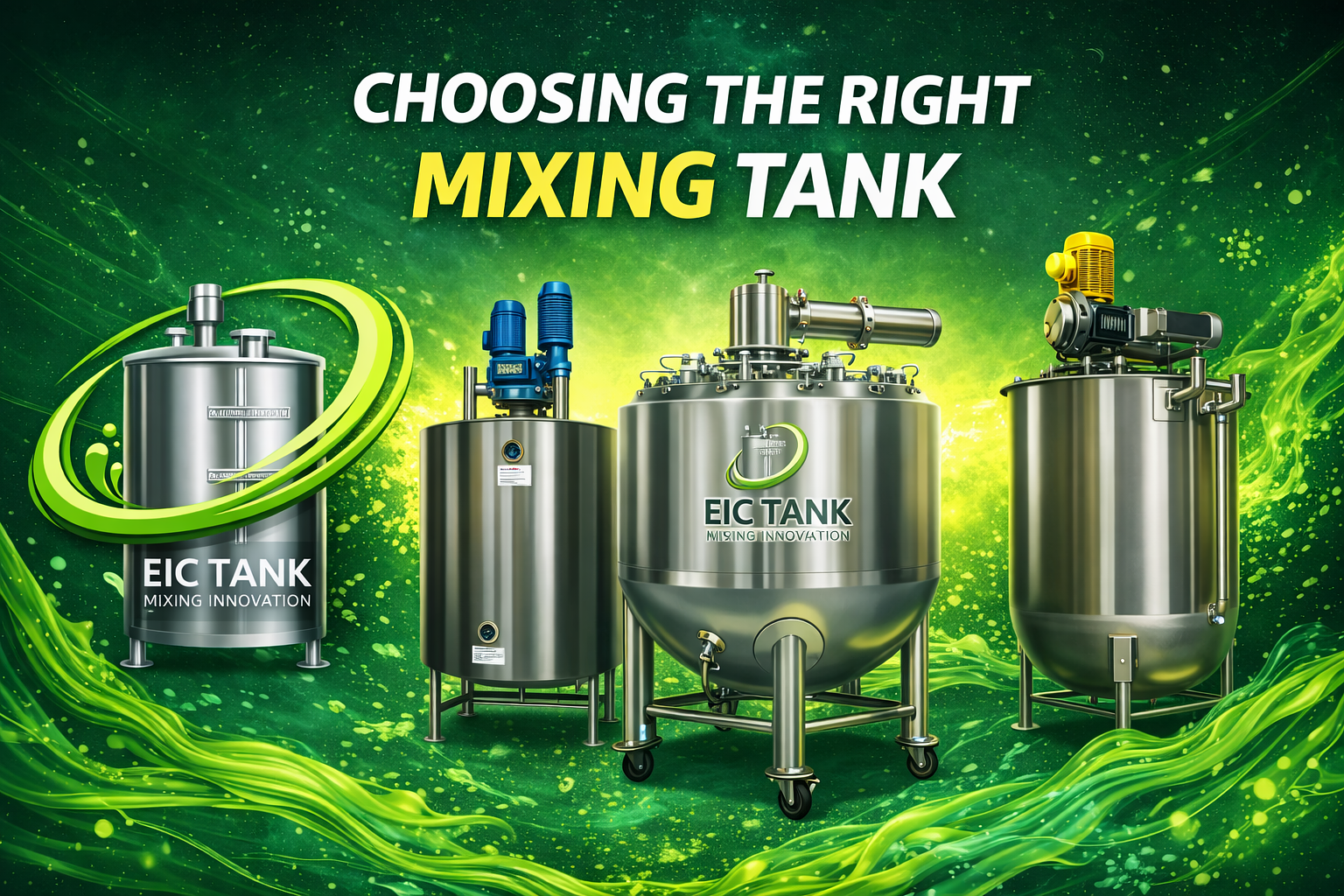
How to Choose the Right Stainless Steel Mixing Tank
Selecting the right stainless steel mixing tank is one of the most important decisions for manufacturers in industries such as food processing, cosmetics, pharmaceuticals, and chemical production. The correct tank design impacts mixing efficiency, heating performance, sanitation, and long-term durability.
Industrial mixing tanks are used for processes including blending, heating, emulsification, dispersion, and batch processing. Because each production process is unique, selecting the proper tank configuration requires evaluating several factors including tank size, agitation type, heating system, and construction materials.
In this guide, we explain how to choose the right stainless steel mixing tank for your application and production requirements.
1. Determine the Required Tank Capacity
The first step in selecting a mixing tank is determining the correct tank capacity for your production process.
Industrial mixing tanks typically range from 50 gallons to over 5,000 gallons, depending on the scale of production.
Common mixing tank sizes include:
• 50 Gallon Mixing Tanks
• 100 Gallon Mixing Tanks
• 250 Gallon Mixing Tanks
• 500 Gallon Mixing Tanks
• 1,000 Gallon Mixing Tanks
• 2,000+ Gallon Production Tanks
Choosing the correct capacity depends on batch size, production volume, facility space, and expected future growth.
🔗 Insert Link Here:
Example:
View our available stainless steel mixing tanks:
https://www.eictanks.com/jacketed-mixing-tanks
Many manufacturers select slightly larger tanks to allow for future production scaling and improved operational flexibility.
2. Choose the Correct Stainless Steel Material
The material used to fabricate the mixing tank plays a major role in corrosion resistance, sanitation, and durability.
The most common materials used for industrial tanks are 304 stainless steel and 316 stainless steel.
304 Stainless Steel
304 stainless steel is widely used for general industrial applications and provides strong corrosion resistance for many food and chemical processes.
316 Stainless Steel
316 stainless steel provides enhanced corrosion resistance due to the addition of molybdenum. It is commonly used for:
• Food processing
• Cosmetic manufacturing
• Pharmaceutical production
• Chemical processing
• High sanitation environments
For applications involving aggressive ingredients or frequent cleaning cycles, 316 stainless steel tanks are typically recommended.
🔗 Insert Link Here:
Example:
3. Select the Proper Mixing System
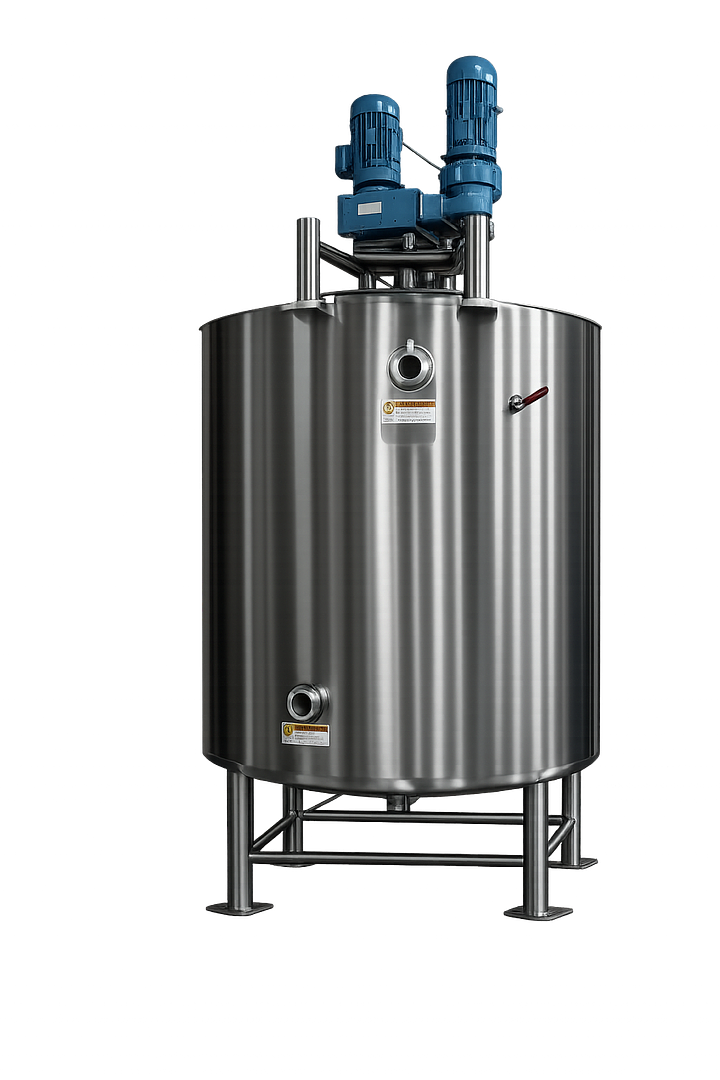
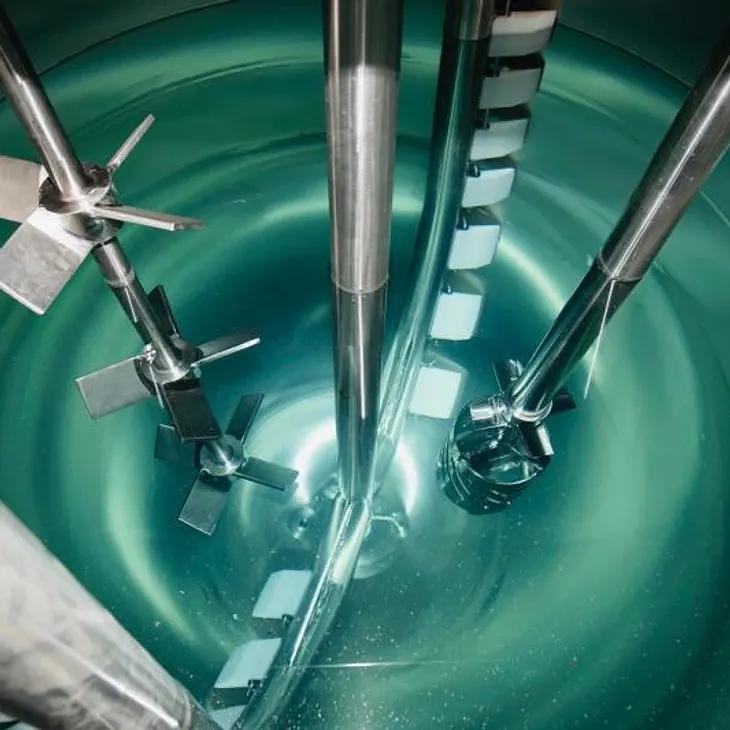
The agitation system is one of the most critical components of a mixing tank. Different products require different mixing technologies to achieve proper product movement and consistency.
Common mixing systems include:
Anchor Agitators
Anchor agitators are ideal for medium to high viscosity products. These mixers sweep the vessel walls and can include scrapers to improve heat transfer in jacketed tanks.
Sweep Agitation Systems
Sweep agitators move product across the entire vessel surface, eliminating dead zones and ensuring uniform mixing.
High Shear Mixers
High shear mixers are designed for emulsification, particle size reduction, and dispersion.
Dual Motion Mixing Systems
Dual motion mixing systems combine anchor sweep agitation with center mixing for improved product circulation.
Triple Motion Mixing Systems
Triple motion mixing combines sweep mixing, center agitation, and high shear mixing for demanding processing applications.
🔗 Insert Link Here:
Example:
https://www.eictanks.com/listings/8366081-1000-gallon-stainless-steel-steam-jacketed-kettle-with-agitatorThis allows readers to immediately view equipment examples.
4. Consider Heating Requirements
Many industrial processes require heating to cook, blend, or emulsify ingredients. In these cases, jacketed mixing tanks are commonly used.
A jacketed tank allows heating media to circulate around the vessel, providing controlled temperature management.
Common heating options include:
• Steam jacketed heating
• Electric heating elements
• Hot water heating systems
• Glycol heating systems
Steam jacketed tanks are particularly popular for applications requiring fast heat transfer and precise temperature control.
🔗 Insert Link Here:
Example:
5. Evaluate Tank Design and Construction
The structural design of the tank also affects mixing performance and usability.
Top Design Options
Mixing tanks may include:
• Closed top tanks
• Hinged lid tanks
• Removable lids
• Dome top designs
• Sloped sanitary tops
Bottom Design Options
The bottom configuration determines product discharge performance.
Common options include:
• Flat bottom tanks
• Dish bottom tanks
• Cone bottom tanks
• Sloped bottom tanks
Cone bottom tanks are often preferred when processing viscous products requiring complete discharge.
6. Sanitary Requirements and Cleaning
For industries such as food processing, cosmetics, and pharmaceuticals, tanks must meet strict sanitary requirements.
Sanitary tank features often include:
• CIP spray balls
• Polished interior surfaces
• Sanitary welds
• Manways for inspection
• Sight glasses
• Pressure relief valves
These features help maintain compliance with FDA and GMP manufacturing standards.
7. Custom Tank Engineering
Many manufacturers require tanks that are custom built for their specific production process.
Custom mixing tanks may include:
• Integrated control panels
• Load cells for weighing
• Temperature sensors
• Level sensors
• Automated mixing controls
• Skid mounted systems
• Structural support frames
Working with an experienced tank manufacturer ensures the equipment is properly engineered for your facility layout and production process.
🔗 Insert Link Here:
Example:
https://www.eictanks.com/pages/custom-stainless-steel-tanks
Applications for Stainless Steel Mixing Tanks
Stainless steel mixing tanks are widely used across many industries including:
• Food processing and sauce manufacturing
• Cosmetic and skincare production
• Pharmaceutical manufacturing
• Chemical blending
• Personal care product production
• Adhesives and coatings manufacturing
Each application may require specific tank configurations depending on viscosity, temperature, and sanitation requirements.
Why Manufacturers Choose Stainless Steel Mixing Tanks
Stainless steel mixing tanks are the preferred solution for industrial manufacturing because they provide:
• Excellent corrosion resistance
• Long service life
• Sanitary construction
• Easy cleaning and maintenance
• Compatibility with food and pharmaceutical processing
These advantages make stainless steel tanks ideal for high-performance industrial production environments.
About EIC Tanks
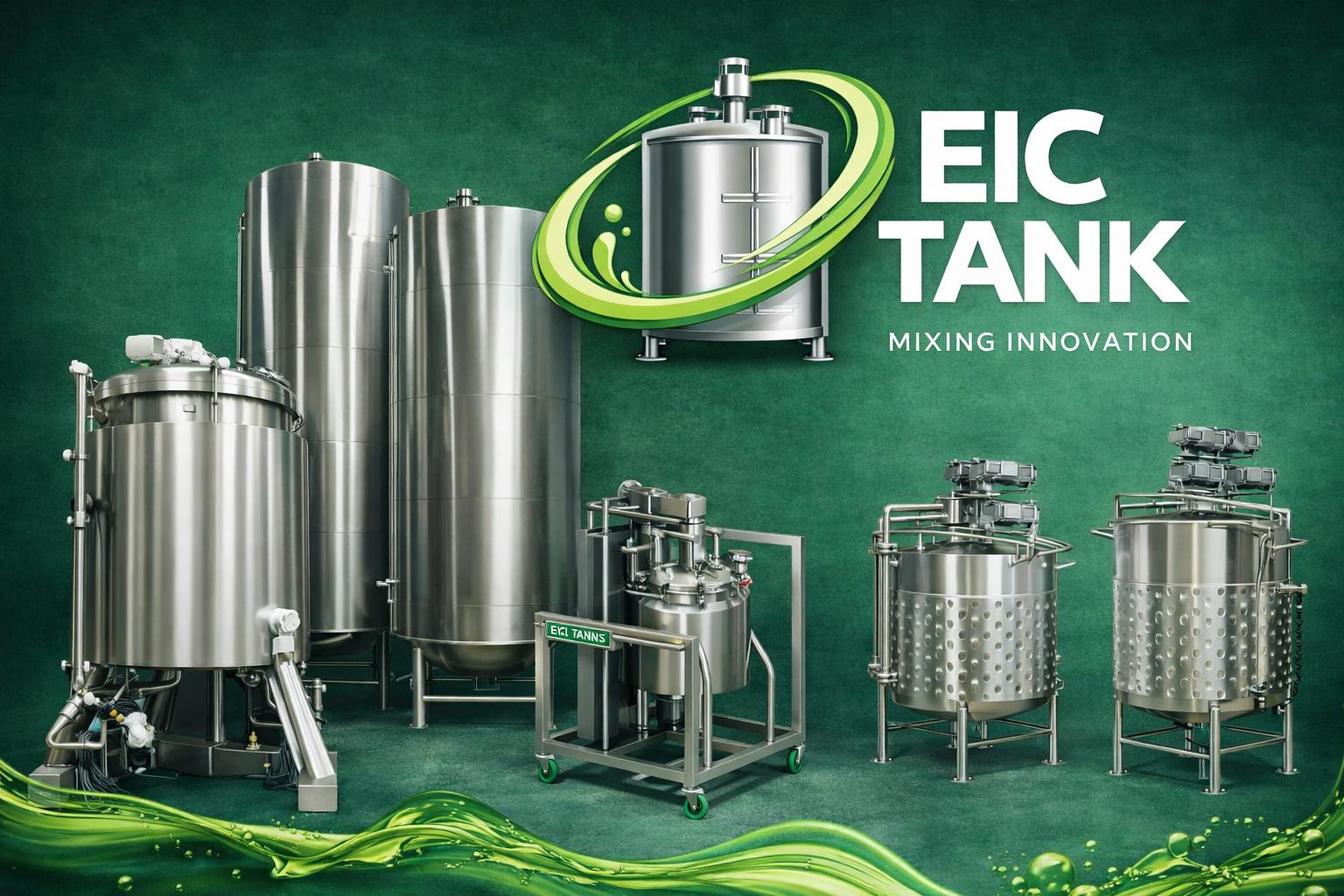
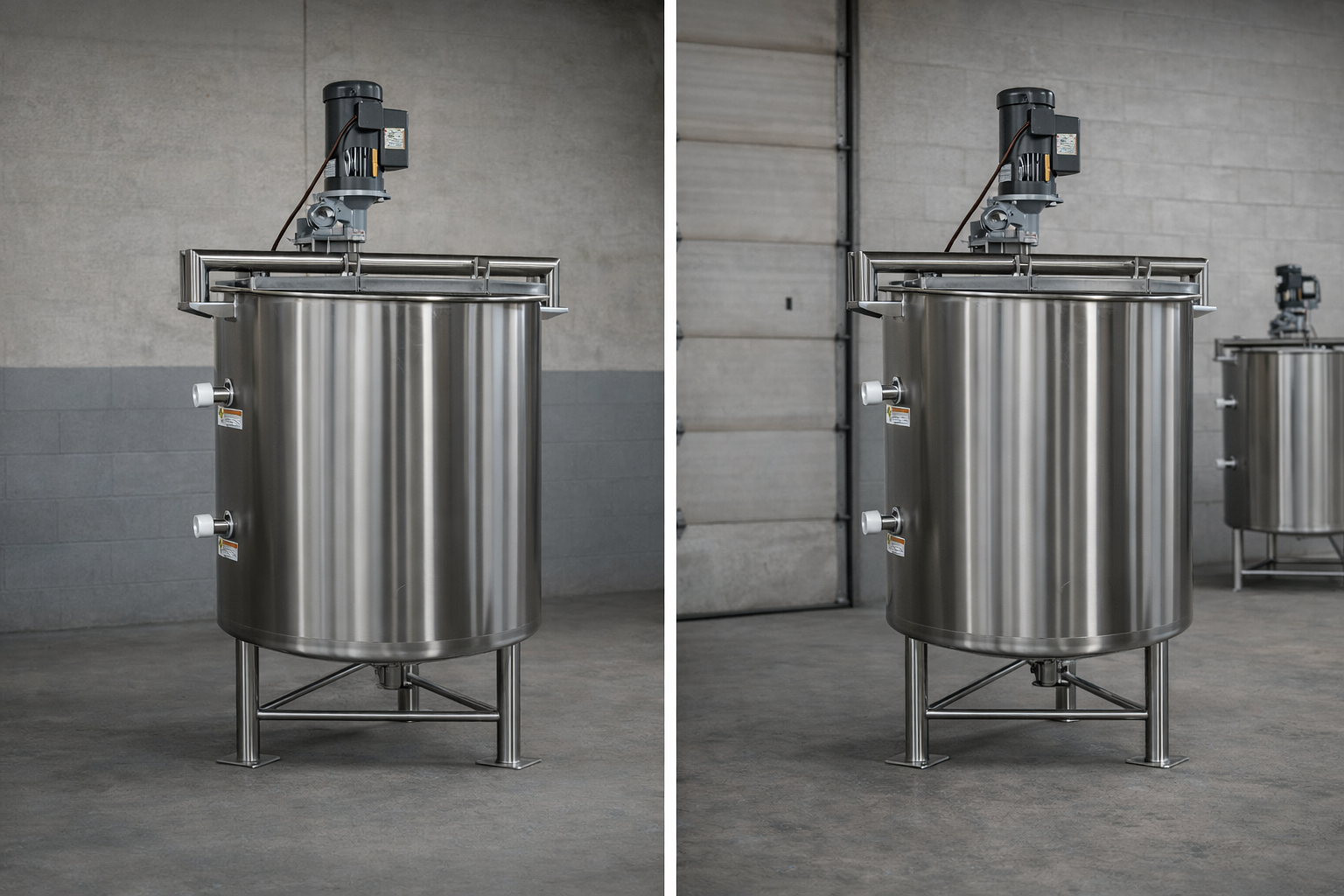
EIC Tanks specializes in manufacturing high-quality stainless steel mixing tanks and steam jacketed kettlesdesigned for demanding industrial applications.
Our tanks are manufactured in the United States and engineered to meet the needs of industries including food processing, cosmetics, pharmaceuticals, and chemical manufacturing.
We produce tanks ranging from 50 gallons to 5,000+ gallons, designed for reliability, efficiency, and long-term performance.
🔗 Insert Link Here: